The Global Food Preservatives Market Is Divided Into Four Categories: Type, Function, Application, And Geography
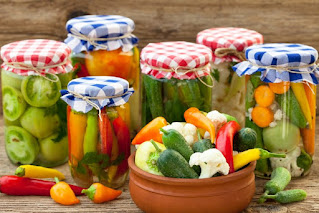
Food preservation is the process of treating food with preservatives to prevent or slow spoilage caused by microorganisms such as bacteria, fungi, and others, thereby increasing food shelf life. It involves limiting fat oxidation, which causes rancidity. At the moment, most people prefer to buy ready-to-eat food rather than prepare it at home. These foods contain a variety of additives and preservatives to maintain quality and reduce spoilage caused by various microorganisms, which is expected to increase demand for food preservatives in the near future. During the forecast period, the health risks associated with these food preservatives are expected to restrain market growth. Benzoates cause nausea and diarrhoea, while saccharin is expected to cause toxic reactions in the gastrointestinal tract and the heart. Sodium chloride, on the other hand, causes high blood pressure, stroke, kidney failure, and heart attack.
The global Food Preservatives Market is divided into four categories: type, function, application, and geography. It is divided into two types: natural and synthetic. Sugar, salt, vinegar, honey, alcohol, edible oil, nicin, rosemary extracts, onion, and natamycin are the subcategories of natural food preservatives. Synthetic food preservatives are further classified as sorbates, benzoates, propionates, and others. Sorbates are further classified as sorbic acid and potassium sorbate. Benzoates are divided into two types: benzoic acid and sodium benzoate. Propionates can also be divided into three types: propionic acid, sodium propionate, and calcium propionate. Others include nitrites, sulphur dioxide, lactic acid, sodium diacetate, and acetic acid. The market is divided into antimicrobials, antioxidants, and others based on function. Bakery, meat, poultry, and seafood, oils and fats, dairy & frozen foods, snacks, confectionery, beverages, and others are among the industry's application areas.
However, natural sources are scarce; natural preservatives such as nisin and natamycin are at least ten times more expensive than chemical preservatives. Many natural preservatives are still being produced on a large scale. The commercialization of natural preservative manufacturing processes has yet to occur. Natural preservatives' market share in the global food preservatives market will skyrocket once they become widely available. Good and dependable sources of high-quality natural preservatives are being researched, and numerous tests are being conducted to ensure their efficacy in preserving food quality.



Comments
Post a Comment