The Global Human Interface Machine Market Is Estimated To Account For Us$ 12,717.9 Mn In Terms Of Value By The End Of 2027.
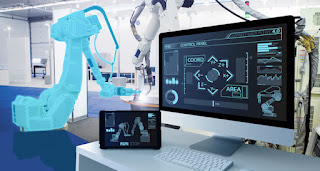
The term "human machine interface" (HMI) refers to an automation that serves as a link between the operator and the controller in an automated structure. Industrial control systems (ICS) are made up of a combination of hardware and software that is designed to inspect and control the activities of machinery and other tools in an industrial setting. The growing acceptance of mechanical development tools in the manufacturing sector, the advancement of industrial internet of things (IIoT) and the need for smart industrial solutions, and effective inspecting in the manufacturing plant are all factors driving the human machine interface market. The growing acceptance of industrial automation tools in the manufacturing sector, as well as the growing demand for smart automation solutions, will drive the growth of HMI automation. Furthermore, the growing demand for logical software combined with scientific tools is expected to improve quality and production, thereby boosting demand.
The global Human Interface Machine Market is estimated to account for us$ 12,717.9 mn in terms of value by the end of 2027. The global market is divided into four regions: Asia Pacific, North America, Europe, and the Rest of the World. Among these, Asia Pacific is expected to outperform others during the forecast period. The phenomenal growth of the Asia Pacific human machine interface market will be attributed to the unexpected increase in manufacturing activities in emerging economies such as China, Japan, and India. These developing countries are expected to provide the market with lucrative growth opportunities. According to the research report, the introduction of human machine interface technologies will allow manufacturers to provide accurate customizations and extend service life. North America and Europe will also see significant growth in the overall market as several end users compete to ensure operational efficiency in a variety of work processes.
Because of the presence of various international and domestic key players, the human machine interface market is fragmented and competitive. Collaborations, contracts, partnerships, joint ventures, geographic expansions, and new product launches, among other strategies, have been implemented by these players in order to remain at the forefront while also meeting the burgeoning demand of customers. The competitive landscape for the human machine interface (HMI) market provides information by competitor. Company overview, financials, revenue generated, market potential, investment in research and development, new market initiatives, regional presence, company strengths and weaknesses, product launch, product width and breadth, application dominance are all included in the details. The data points presented above are solely related to the companies' focus on the human machine interface market.



Comments
Post a Comment