The Global Knee Replacement Market Is Estimated To Be Valued At Us$ 9.4 Billion In 2020 And Is Expected To Exhibit A Cagr Of 4.1% During The Forecast Period (2020-2027).
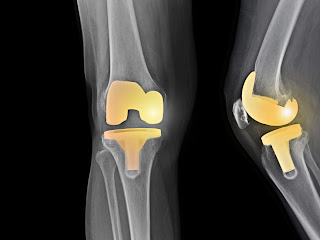
The rising prevalence of arthritis in the general population, according to Fortune Business Insights in a report titled "Knee Replacement Market Size, Share, and COVID-19 Impact Analysis, 2022," could be a critical factor boosting market growth. In accordance with Procedure (Total Knee Arthroplasty, Partial Knee Arthroplasty, and Revision Arthroplasty) Types of Implants (Fixed Bearing, Mobile Bearing, and Others) Forecast by End-User (Hospitals, Orthopedic Clinics, Ambulatory Surgical Centers, and Others) and Region, 2020-2027" In 2019, the market was worth USD 9.45 billion. The coronavirus crisis has wreaked havoc on the global economy. We understand that this health emergency has had a negative impact on a variety of industries around the world. Rising government and corporate support may aid in the fight against this highly contagious virus. Some industries are struggling, while others are thriving. This pandemic is expected to have an impact on nearly every industry.
The global Knee Replacement Market is expected to exhibit a cagr of 4.1% during the forecast period (2020-2027). The growing geriatric population, which is causing old-age ailments such as arthritis, osteoporosis, and diabetes, is driving the knee replacement market. Furthermore, rising technological advancements such as minimally invasive surgeries, as well as the availability of better implant materials, are expected to drive the growth of the knee replacement market. The most common type of arthritis is osteoarthritis (OA), which affects older adults. It is a major cause of chronic pain and physical disability in the elderly. In terms of global prevalence, OA ranks fifth among all forms of disability. According to the Arthritis Foundation, an estimated 30.8 million adults were diagnosed with OA in 2017, and 14 million people in the United States were diagnosed with symptomatic knee osteoarthritis. OA becomes more common as people get older.
Many patients with arthritis are struggling to receive treatment during the COVID-19 pandemic because hospitals are cancelling or delaying surgeries and other procedures, including arthroplasty and other knee replacement surgeries. There is also concern that patients with mild arthritis who require timely surgery have concluded that the risk of contracting COVID-19 outweighs the benefits of arthroplasty. According to a study conducted by the University of Iowa in the United States, the COVID-19 pandemic is having a profound impact on hip and knee arthroplasty surgery volume and could result in significant financial loss. According to the same study, 30,000 primary and 3,000 revision total hip arthroplasty and total knee arthroplasty procedures will be cancelled each week if restrictions remain in place.



Comments
Post a Comment